━━━━━━━━━━━━━━━━━━━━━━━━━━━━━━━━━━━━━━━━━━━━━━━━━━━━━━━━━━━━━━━━━━━━━━━━━━━━━━━━━━━━━━━━━━━━━━━━
🖥️

C64 HARDWARE GUIDE

Models, peripherals, joysticks and accessories for the Commodore 64 · Everything you need to know
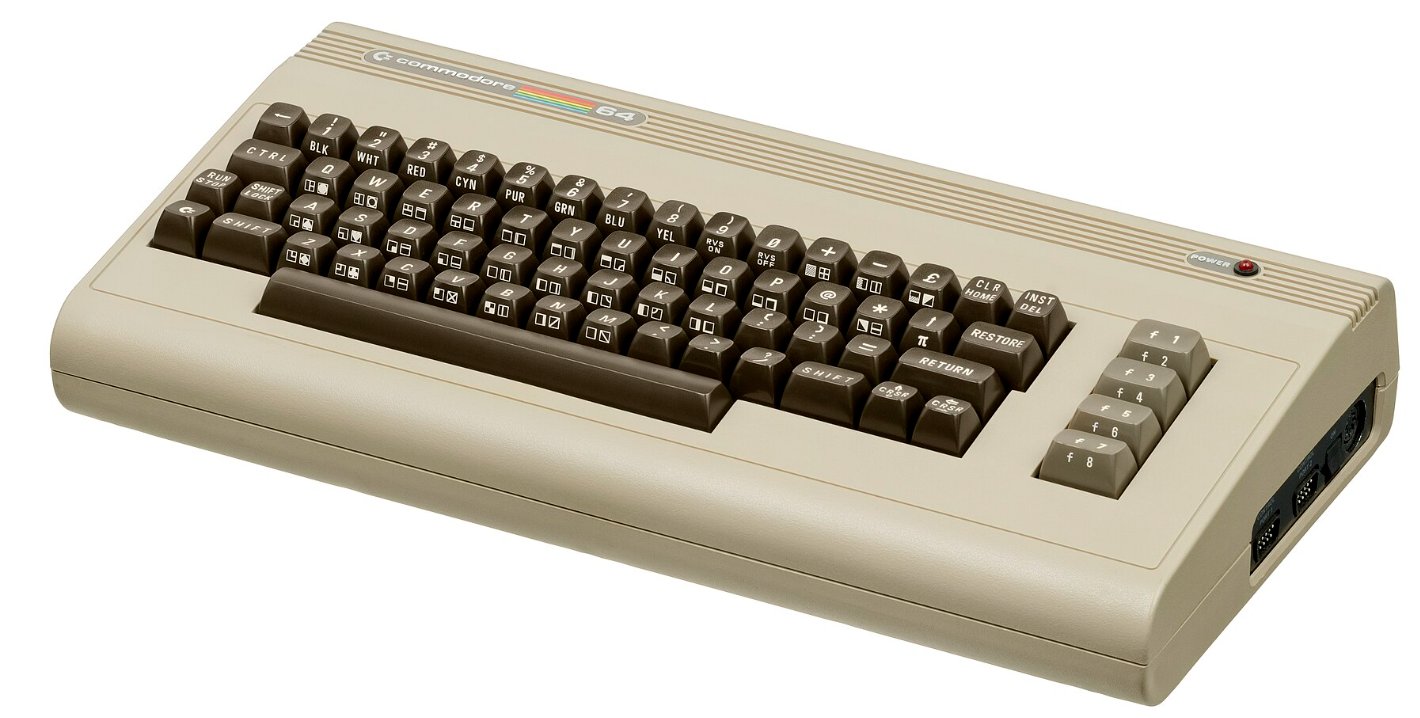
The Commodore 64 was not a single computer but a family of machines produced between 1982 and 1994. Although all models share the same heart — the 6510 processor, the SID sound chip and the VIC-II graphics chip — there are notable differences between models in terms of design, reliability and availability. This is the complete guide to all official models.

The beige casing of the original C64 was so iconic that many collectors consider it the only "authentic" one. Later models changed the colour and design, but none achieved the same level of cultural recognition.
COMMODORE 64C1986
C64C
REVISION
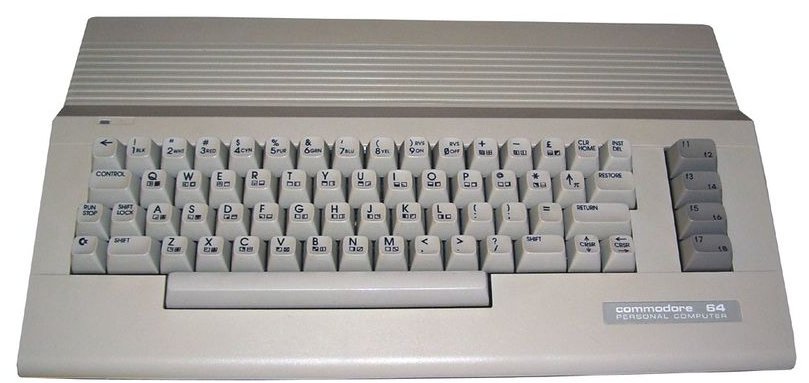
COMMODORE 64C
Complete redesign in an off-white, flatter and more stylish casing following the aesthetic of the Amiga 500. Internally almost identical to the original but with revised chips (SID 8580) that sound slightly different. The most common model in the UK and across Europe.
KEY DIFFERENCENew case · SID 8580
COLOUROff-white
UK POPULARITY★★★★★
COMMODORE 64 GS1990
C64 Games System
RARE
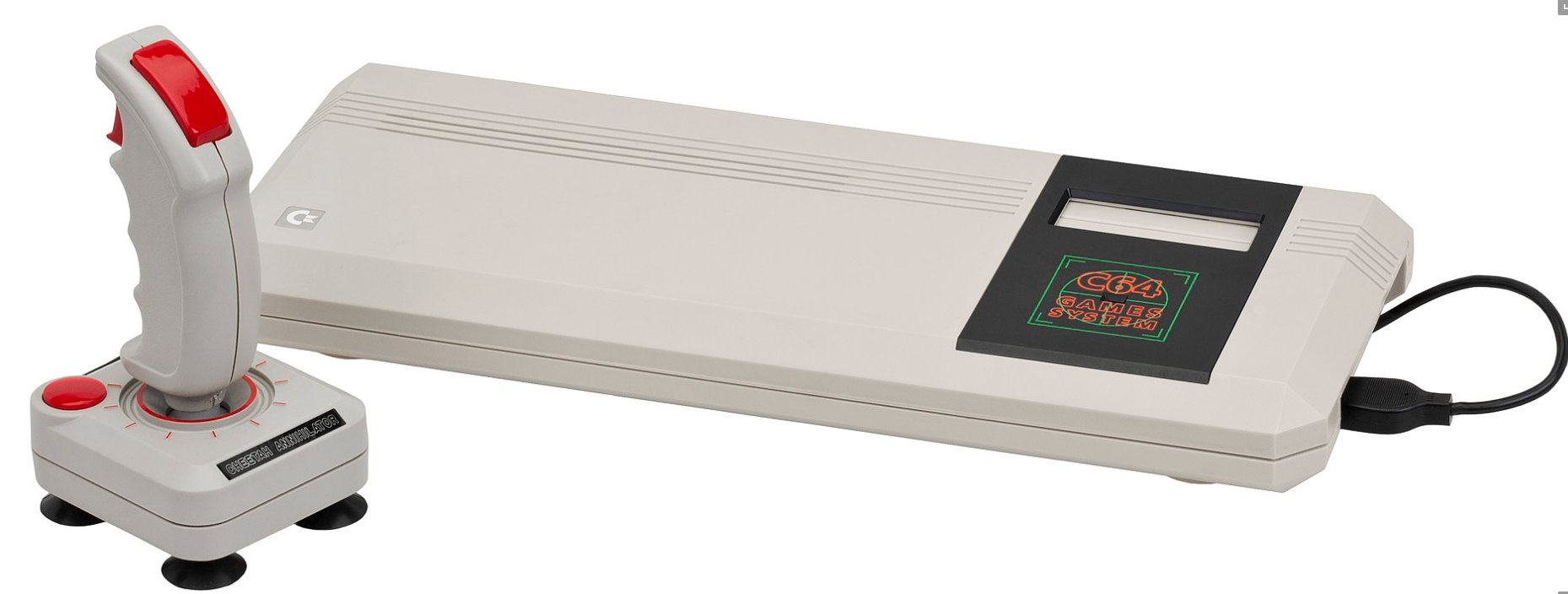
C64 GAMES SYSTEM
Commodore's attempt to compete with games consoles. No keyboard, no datasette — cartridges only. A monumental commercial failure: cartridge games were expensive, the catalogue was limited, and it cost the same as a full C64C.
MARKETEurope only
WITHOUTKeyboard · Datasette
RESULTTotal failure
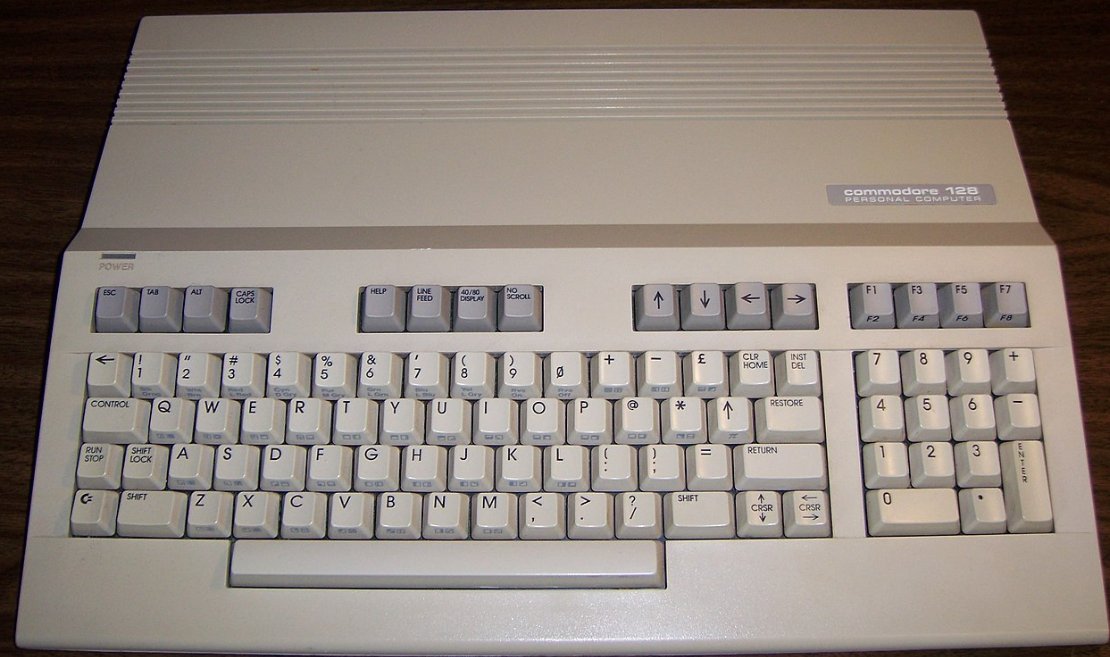
COMMODORE 1281985
Commodore 128
SUCCESSOR
COMMODORE 128
The "official" successor to the C64, 100% compatible with all previous software. Three operating modes: C64, native C128 and CP/M. A technically superior machine that partly failed because 95% of users ran it in C64 mode.
RAM128 KB
MODESC64 · C128 · CP/M
C64 COMPATIBLEYes, 100%
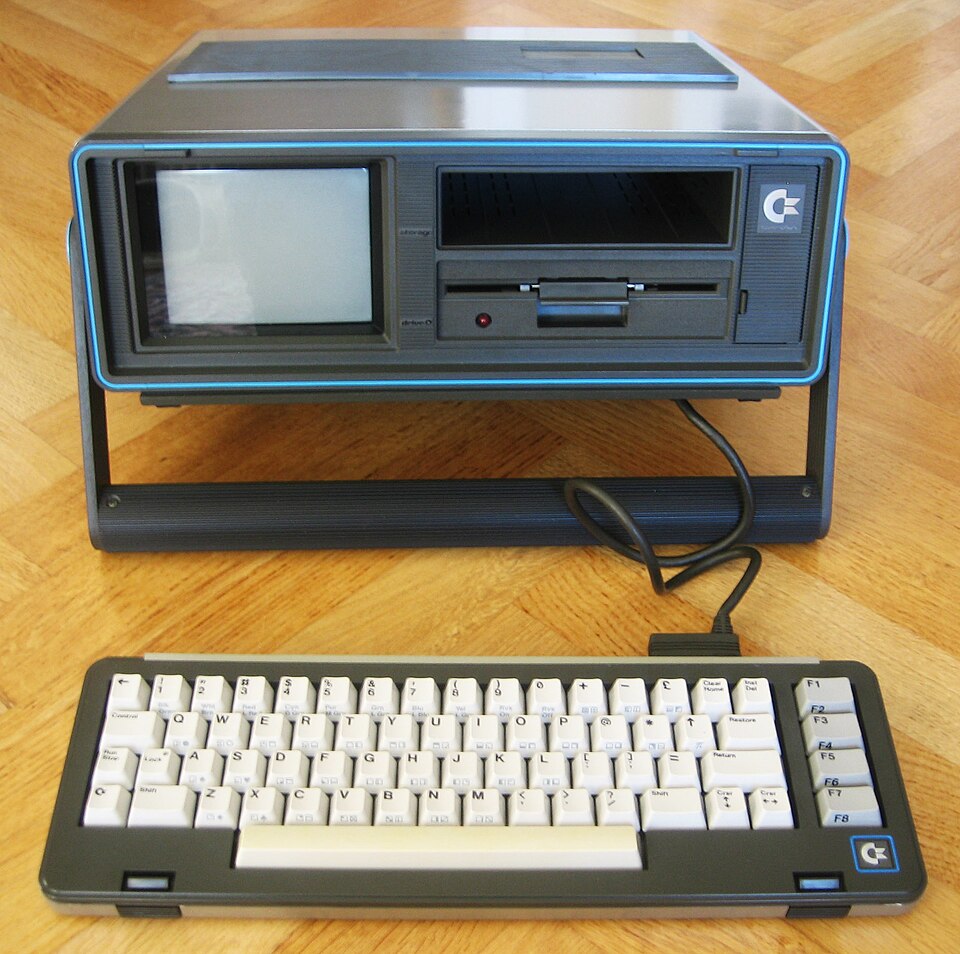
COMMODORE SX-641984
Commodore SX-64
RARE ICONIC
SX-64 · PORTABLE C64
The world's first colour portable computer. Featured a built-in 5-inch screen, integrated 1541 disk drive and a carry handle. It weighed 10 kg. "Portable" was a very generous term for the era.
SCREEN5" built-in colour
STORAGEIntegrated 1541 disk drive
WEIGHT~10 kg
MODEL COMPARISON
MODELYEARCASESIDAVAILABILITYCOLLECTIBILITY
C64 Breadbox1982Beige · Large6581Common★★★★★
C64C1986Off-white · Slim8580Very common★★★☆☆
C64 GS1990No keyboard8580Very rare★★★★☆
C1281985Large · Numpad8580Uncommon★★★☆☆
SX-641984Portable with screen6581Very rare★★★★★
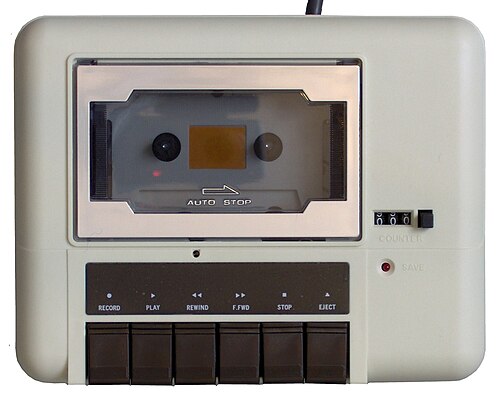
The Datasette was to the C64 what the cassette was to music: the mass-market, affordable storage format that put video games within everyone's reach. Slow, sometimes unreliable, but cheap and universal. In the UK and across Europe, where cartridge or floppy disk games were prohibitively expensive for most people, the cassette was the undisputed king.

Game cassettes came with two sides: Side A and Side B. Many games from publishers like Ocean took advantage of this to split the game in two — the first part on Side A and the second (password-protected) on Side B. This saved memory and added a layer of copy protection.
TURBO LOADERS1983+
ACCESSORY
TURBO SYSTEMS
The slowness of the Datasette drove the development of turbo loading systems that multiplied speed by a factor of 5 to 15. Some were pure software (Turbo ROM, Final Cartridge), others required additional hardware. Novaload and various custom turbo systems were widely used across the C64 scene.
SPEED BOOST5× – 15×
EXAMPLESTurbo ROM · Final Cart · Novaload
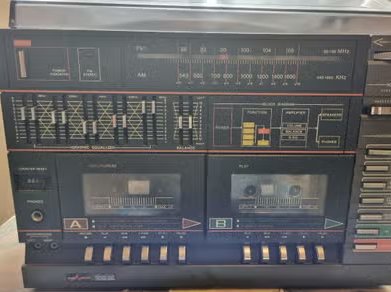
LOADING WITH A NORMAL RECORDERTIP
Standard cassette recorder
CURIOSITY
LOADING FROM A STANDARD RECORDER
Although the Datasette was the official peripheral, it was technically possible to load games from a standard domestic cassette recorder connected to the C64's EAR port via a cable. Quality was lower and errors more frequent, but it worked. Many games circulated this way between friends in the schoolyard.
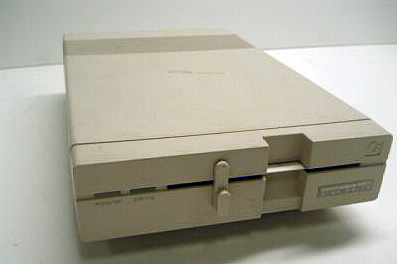
The 1541 disk drive was the "professional" storage peripheral for the C64: faster than the Datasette, with greater capacity and random access to data. It was also expensive, slow by modern standards, and famous for the mechanical noises it made when reading. In most countries it was a luxury item that few could afford.
COMMODORE 15711985
Commodore 1571
IMPROVED
COMMODORE 1571
The successor to the 1541, designed primarily for the C128. Double-sided disk reading, greater speed and CP/M format compatibility. Compatible with the C64 but rarely used with it.
CAPACITY340 KB (double-sided)
COMPATIBLEC64 · C128 · CP/M
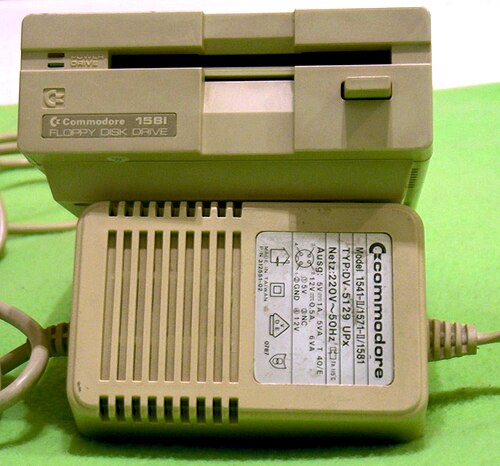
COMMODORE 15811987
Commodore 1581
MODERN
COMMODORE 1581
A 3½-inch disk drive — the modern format of the era. With 800 KB per disk and much higher speed than the 1541. It arrived too late and cost too much to have any real impact on the C64 market.
FORMAT3½" · Double density
CAPACITY800 KB
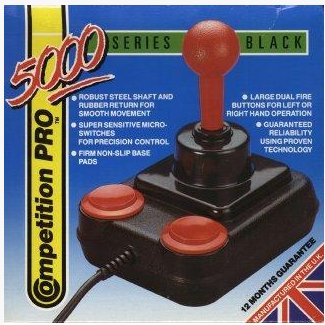
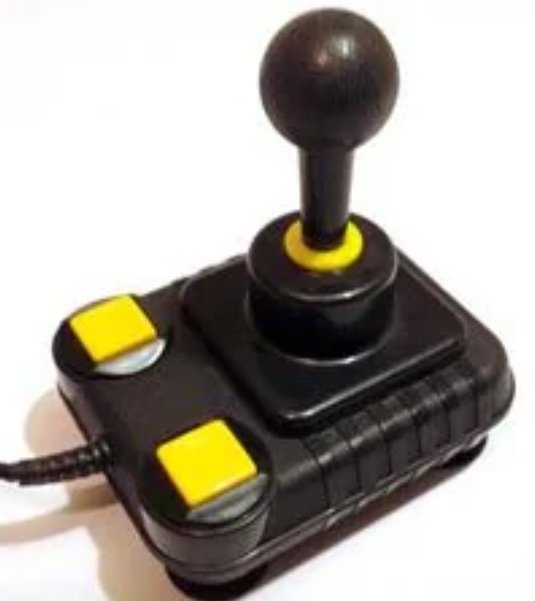
The C64 had two joystick ports with a DB-9 connector — the same standard used by Atari, Amiga and many other computers of the era. This meant any Atari-compatible joystick also worked with the C64, which generated an enormous third-party peripheral market. Some were legendary; others were a punishment for your thumbs.
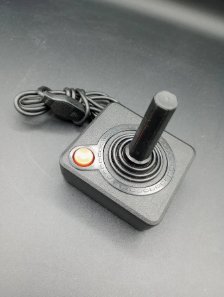
ATARI CX401977
Atari CX40
CLASSIC
ATARI CX40 JOYSTICK
The original Atari joystick that defined the DB-9 standard the C64 would use. Simple design, single button, square-movement stick. Worked perfectly with the C64 and was cheap, but the plastic broke easily under heavy use.
BUTTONS1
DURABILITY★★☆☆☆
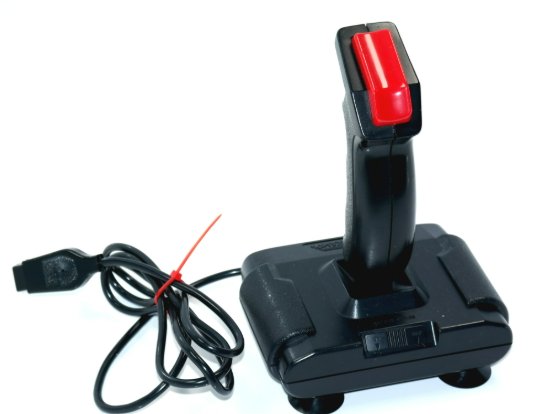
QUICKSHOT II1983
QuickShot II
POPULAR
SPECTRAVISION QUICKSHOT II
The most popular "mid-range" joystick of the 80s. Ergonomic design for the era, fire buttons on both the handle and base, and a decent feel. It was the affordable alternative to the Competition Pro for those who couldn't pay the premium.
BUTTONS2 (handle + base)
DURABILITY★★★☆☆
ZIPSTIK1988
Zipstik
RECOMMENDED
ZIPSTIK
The direct rival of the Competition Pro in its later years. Microswitches in all four directions plus two fire buttons, tough plastic and competitive pricing. Many veterans actually prefer it to the Competition Pro for its more precise response in fighting games.
MICROSWITCHES6 (4 dir + 2 fire)
DURABILITY★★★★☆

The C64's default joystick port was port 2 for the majority of games, but some titles used port 1. Switching ports without knowing was a classic source of confusion. Game not responding? Try the other port.

Cartridges were the fastest and most reliable format for the C64 — they loaded instantly, didn't wear out with use and required neither a Datasette nor a disk drive. But they were expensive to produce, which limited their use mainly to utility tools, system expansions and a handful of premium games. Some cartridges are now genuine collector's treasures.
ACTION REPLAY1987
🎮
POPULAR
ACTION REPLAY MK VI
The rival of the Final Cartridge, also featuring a freeze function and turbo loader. More popular in the UK, with a built-in cheat editor that allowed real-time modification of game variables — infinite lives, unlimited ammo. Paradise for cheaters.
FREEZEYes
CHEAT EDITORYes · Real-time
GAME CARTRIDGES1982+
👾
FORMAT
GAMES ON CARTRIDGE
Some of the C64's most popular games came on cartridge: Pac-Man, Gorf, Radar Rat Race, Omega Race, and various Ocean titles. Instant loading was their great advantage, but the high price severely limited the catalogue compared to cassette.
LOAD TIMEInstant · 0 seconds
PRICEMuch higher than cassette
CATALOGUELimited
The C64 could be connected to domestic televisions via RF or to dedicated monitors via composite video or S-Video. Image quality varied enormously depending on the display, and many C64 users remember playing on blurry CRT televisions. Those with a dedicated monitor lived in another world entirely.
RF TELEVISION1982+
📺
MOST COMMON
DOMESTIC TELEVISION
The vast majority of users connected the C64 to the family television via the included RF modulator. The image was blurry and the colours somewhat desaturated, but it was free and it worked. Many of the best childhood memories come in low resolution via RF.
QUALITYLow · Blurry
EXTRA COSTNone
NOSTALGIA★★★★★
MODERN CONNECTIONTODAY
🔌
PRESENT DAY
C64 ON A MODERN DISPLAY
Connecting a real C64 to a modern screen requires adapters. The most popular options are the RetroTINK upscaler (which converts the analogue signal to HDMI) or an S-Video to HDMI cable. Quality with a RetroTINK is exceptional and preserves the authentic CRT look of the era.
BEST OPTIONRetroTINK 2X / 5X
OUTPUTHDMI
QUALITYExcellent
━━━━━━━━━━━━━━━━━━━━━━━━━━━━━━━━━━━━━━━━━━━━━━━━━━━━━━━━━━━━━━━━━━━━━━━━━━━━━━━━━━━━━━━━━━━━━━━━